Havan Samagri
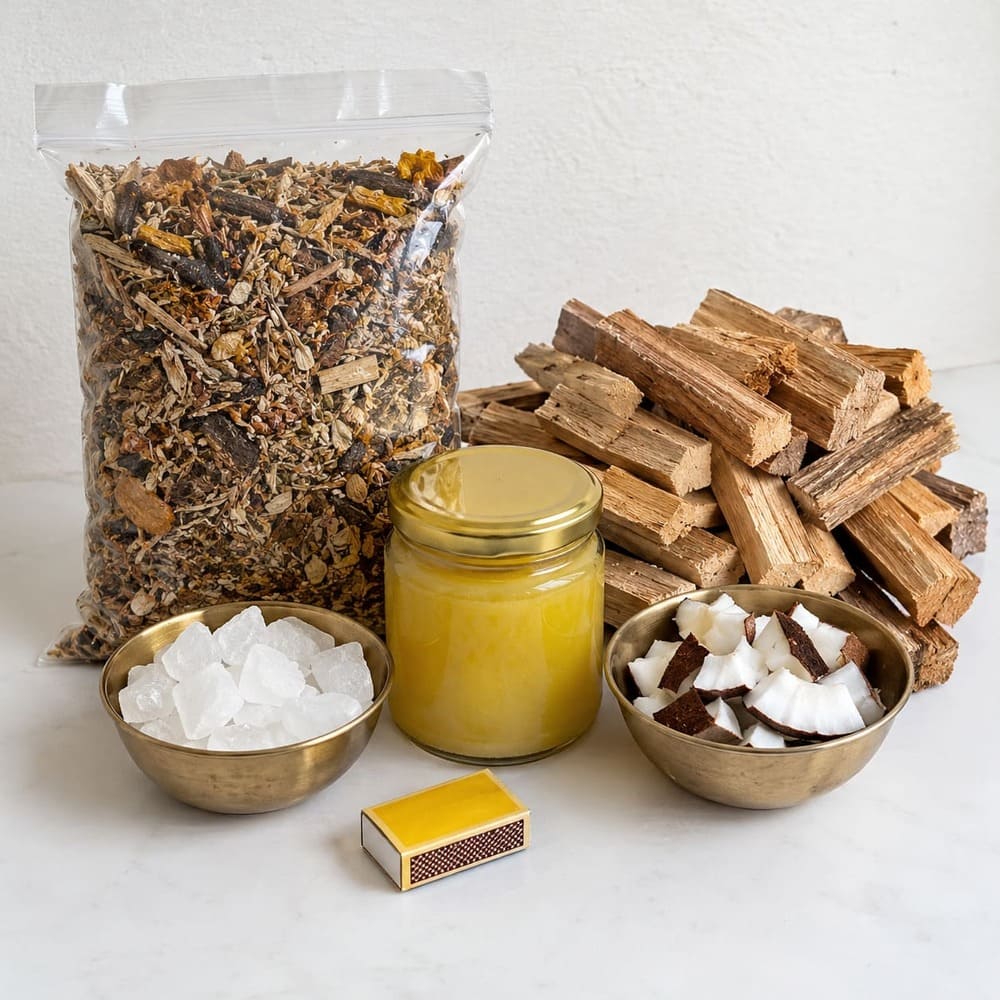
Buy havan samagri online from Satvikly for home puja and family ceremonies. Choose 250 g mixtures, 1 kg mango wood sticks called samidha (समिधा), ghee and individual puja ingredients.
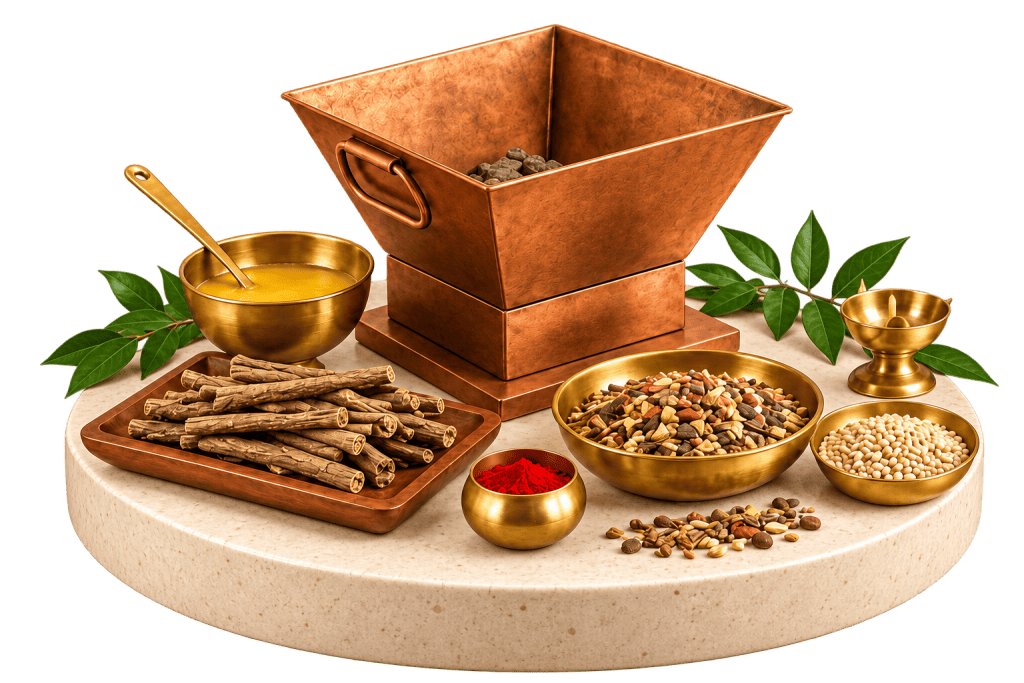
Prepared mixtures contain ingredients for fire offerings, called ahuti (आहुति). Match the contents and quantities to your puja list before ordering. A home havan also needs a fire vessel, wood, ghee and bowls. Flowers, fruit and prasad (प्रसाद) belong to the puja preparations.
-
 51% Off
-
 20% Off
-
20% Off
-
 17% Off
-
 17% Off
-
20% Off
-
12% Off
-
 21% Off
-
20% Off
-
17% Off
-
17% Off
-
-
20% Off
-
33% Off
-
17% Off
-
20% Off


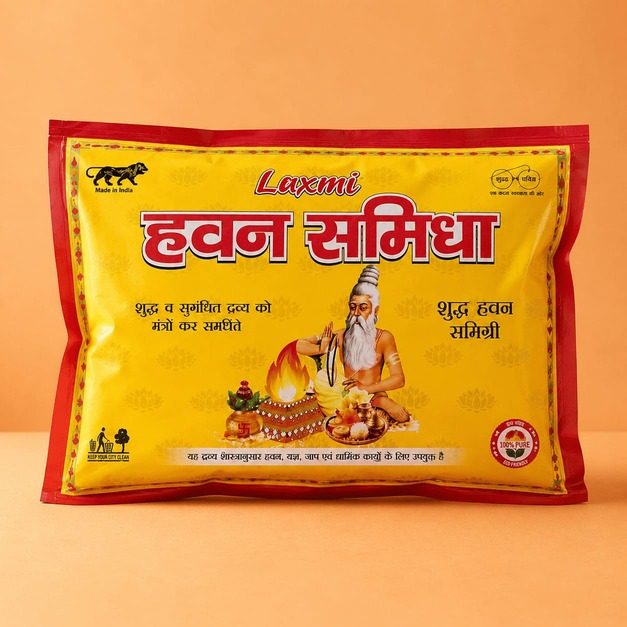

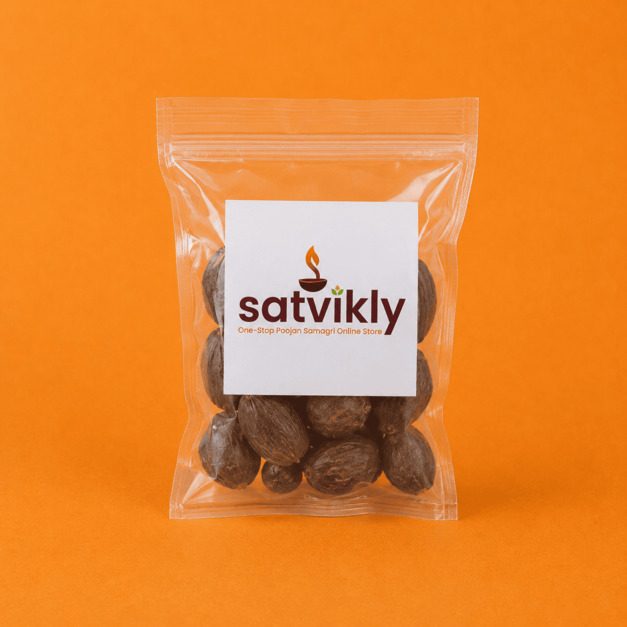

Shop Havan Mixtures and Supplies
Choose a prepared offering mixture and dried wood for your havan. The 250 g mixtures contain different combinations of ingredients.
| Product | Pack size | Contents and use |
|---|---|---|
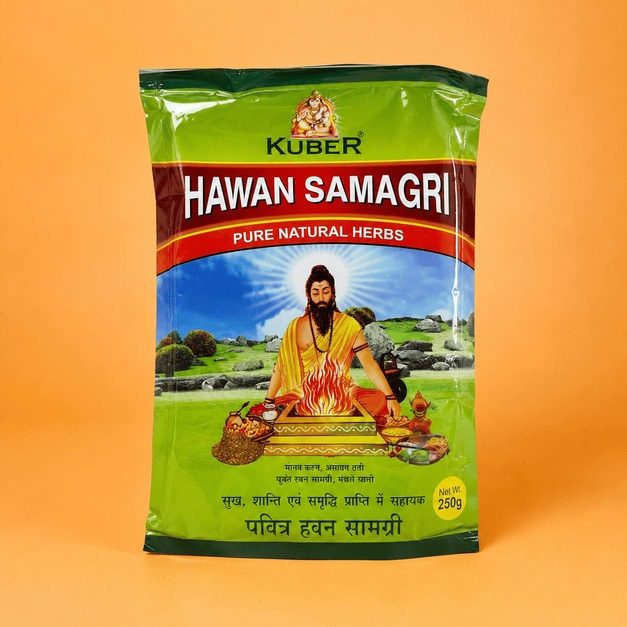
| Hawan Samagri | 250 g | Herbs, roots, wood powders, flowers and aromatic resins (राल); prepared for offering with ghee |
| Mixed Puja Hawan Samagri | 250 g | Includes dhoop chips, til, ghee, jau and rice |
| Havan Samidha | 1 kg | Dried mango wood sticks, or aam ki lakdi (आम की लकड़ी), for the fire |
| Desi Ghee | 180 ml, 450 ml or 1 L | Ghee for ahuti and the diya |
| Cow Dung Cakes | 10 pieces | Dried cow dung cakes, or upla (उपले), for ritual fuel |
Each mixture has its own recipe. Request the full pack contents and ingredient quantities before choosing between them.
Other Materials Needed for a Home Havan
Confirm which equipment your pandit will bring before ordering. Cow dung cakes, milk and curd depend on the ceremony instructions.
Fire Materials and Equipment
- Havan kund (हवन कुंड)
- Samidha (समिधा)
- Ghee (घी)
- Camphor (Kapoor, कपूर)
- Cow dung cakes (Upla, उपले)
- Ghee spoon and bowls
- Matches or lighter
Puja and Aarti Items
- Turmeric, kumkum and sandalwood (हल्दी, कुमकुम और चंदन)
- Kalash and water bowl (कलश और जल पात्र)
- Sacred thread (Mauli/Kalawa, मौली/कलावा)
- Betel leaves and supari (पान के पत्ते और सुपारी)
- Flowers and fruit (फूल और फल)
- Milk and curd (दूध और दही)
- Whole coconut (नारियल)
- Diya and cotton wicks (दीया और रुई की बत्ती)
- Prasad (प्रसाद)
A whole coconut belongs to kalash preparation; dry coconut pieces are used for fire offerings. Set aside the ingredients for purnahuti (पूर्णाहुति), the final offering, according to your ceremony list.
Havan Samagri Ingredients
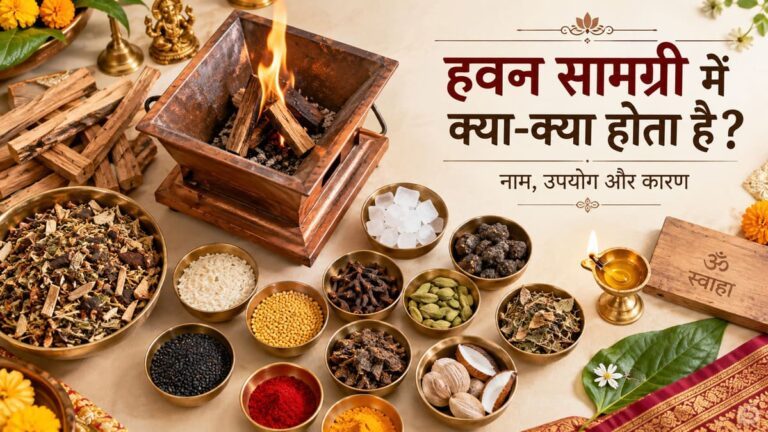
Order individual grains, seeds, herbs and sweeteners from your havan samagri list. Match the colour and form named for each item.
- Barley (Jau, जौ)
- Black sesame (Kala Til, काले तिल)
- Unbroken rice (Akshat, अक्षत)
- Yellow mustard (Peeli Sarson, पीली सरसों)
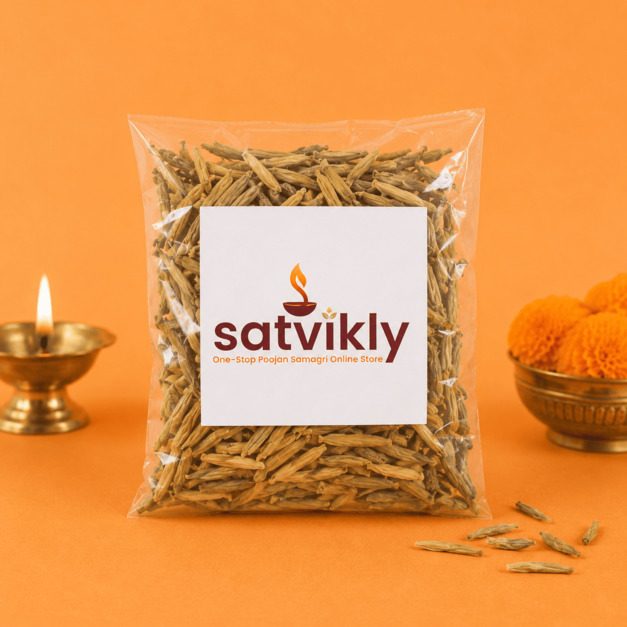
- Dried lotus seeds (Kamal Gatta, कमल गट्टा)
- Indra Jau (इंद्रजौ)
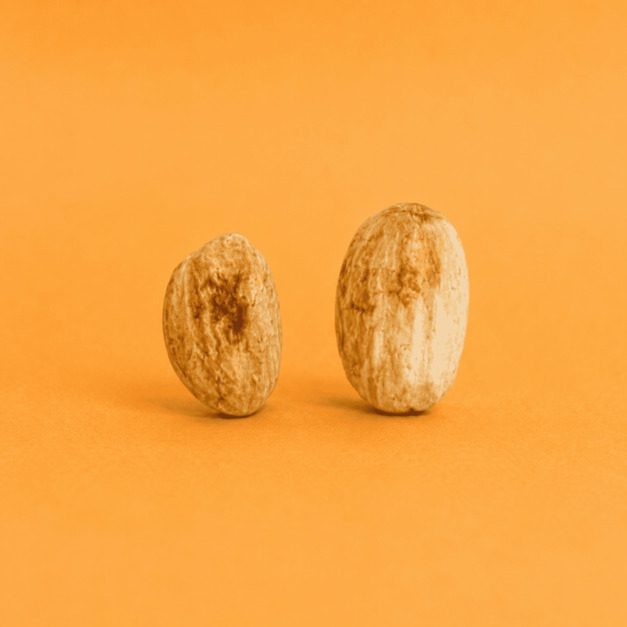
- Nutmeg (Jayphal, जायफल)
- Cloves (Laung, लौंग)
- Cardamom (Elaichi, इलायची)
- Sandalwood (Chandan, चंदन)
- Jatamansi (जटामांसी)
- Giloy (गिलोय)
- Guggal resin (गुग्गल की राल)
- Loban (लोबान)
- Dhuna (धूना)
- Dry coconut pieces (सूखे नारियल के टुकड़े)
- Dry fruits (मेवे)
- Panchmeva (पंचमेवा)
- Sugar (चीनी)
- Sugar crystals (Mishri, मिश्री)
- Jaggery (गुड़)
- Honey (शहद)
Benefits of Havan at Home
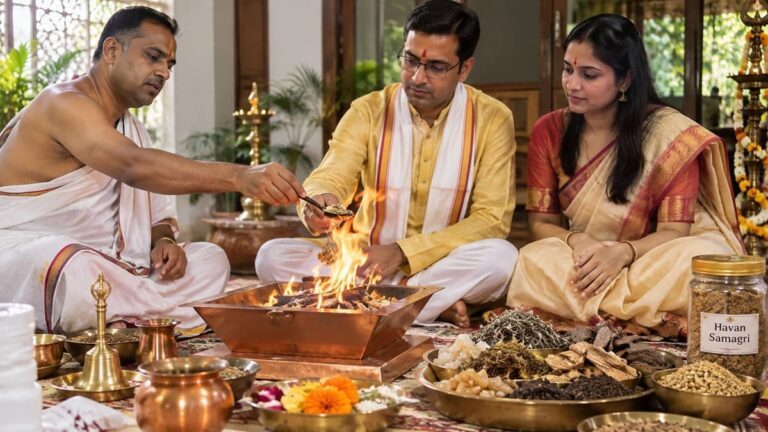
Havan combines mantra chanting with offerings into the sacred fire. Families perform it for blessings, spiritual purification and time together in prayer.
- Prayers for family wellbeing: A home havan offers an occasion to pray for health, peace and prosperity.
- Spiritual purification (शुद्धि): Hindu traditions associate sacred fire and mantras with spiritual cleansing of the home. This is a religious belief.
- Mental peace and focus: Mantra chanting and repeated offerings create a pause from daily tasks. Time for prayer can help you turn your attention away from everyday distractions.
- Shared family worship: Family members can chant and make offerings together. Children can participate and become familiar with family customs.
- Gratitude and giving: Fire offerings express devotion and gratitude. Sharing prasad after the ceremony extends the practice of giving to others.
- Fragrance during puja: Sandalwood, spices and incense materials add their aromas to the ceremony.
Spiritual purification and fragrance do not establish cleaner air. Burning havan materials produces smoke; arrange ventilation during the ceremony.
Benefits and Uses of Havan Materials
Wood and ghee fuel the fire, while spices and incense materials add fragrance. Grains, seeds and other ingredients form the offerings prescribed for your ceremony.
- Prepared havan mixture: Combines offering ingredients in one packet, reducing the measuring and mixing you do yourself.
- Samidha (समिधा): Fuels the ritual fire. Dry wood burns more efficiently and produces less smoke than damp wood.
- Ghee (घी): Feeds the fire and serves as an offering. Melted ghee allows small, measured spoonfuls for repeated ahutis.
- Kapoor (कपूर): Camphor catches fire readily, helping to light the wood. It also serves as an offering during aarti (आरती).
- Cow dung cakes (उपले): Dried cakes supply fuel for the ritual fire.
- Jau (जौ): Barley for grain offerings, portioned for repeated ahutis.
- Kala Til (काले तिल): Black sesame for the seed part of the offering mixture.
- Akshat (अक्षत): Unbroken rice for deity worship. Arrange the rice form requested for fire offerings.
- Peeli Sarson (पीली सरसों): Yellow mustard for the seed offering specified in your puja recipe.
- Kamal Gatta (कमल गट्टा): Dried lotus seeds associated with Lakshmi worship and prayers for prosperity.
- Indra Jau (इंद्रजौ): A traditional seed ingredient, different from Jau, or barley.
- Jayphal (जायफल): Nutmeg adds a warm spice aroma to the offering mixture.
- Laung (लौंग): Cloves add fragrance and feature in the final offering of some Gayatri havan procedures.
- Elaichi (इलायची): Cardamom adds a sweet spice aroma and can accompany cloves in the final offering.
- Chandan (चंदन): Sandalwood adds a woody fragrance. Wood material for the fire differs from prepared tilak paste.
- Jatamansi (जटामांसी): Adds fragrance to traditional offering mixtures.
- Giloy (गिलोय): A plant ingredient in traditional herbal havan recipes.
- Guggal (गुग्गल): Raw resin (राल) adds an incense aroma to fire offerings and dhoop worship.
- Loban (लोबान): Adds incense fragrance during havan or dhoop worship.
- Dhuna (धूना): Adds fragrance during havan and dhoop worship.
- Dry coconut pieces: Coconut for the fire offerings.
- Dry fruits (मेवे): Dried fruit or nuts for food offerings.
- Panchmeva (पंचमेवा): A five-item offering mix. Read the actual contents; the five ingredients can differ.
- Sugar, mishri, jaggery or honey: Sweet ingredients for the offering recipe. Select the named sweetener; these are not automatic substitutes.
These materials are bought for ritual use. Medicinal use of a plant does not establish health benefits from its smoke.
How Much Havan Samagri to Order
Choose the number of packets from the total mixture weight you need. Include the amount per ahuti and any extra material for purnahuti.
| Total mixture weight | Number of 250 g packets |
|---|---|
| 250 g | 1 |
| 500 g | 2 |
| 750 g | 3 |
| 1 kg | 4 |
If you need 300 g, buy 2 packets to receive 500 g. Use the required amount and store the remaining 200 g.
The number of ahutis alone does not establish how many grams you need. Calculate wood and ghee amounts separately from the mixture.
What to Check Before Buying Havan Samagri
- Full ingredient names: Read the grains, herbs, resins and sweeteners. A 20+ ingredients claim states a count, not the recipe. Ask for a pack label photo if names are missing.
- Mixture or complete kit: Identify the pack contents. A mixture packet and a kit with equipment are different purchases.
- Ghee type and quantity: Read the declared milk source and ingredients. The mixed packet includes ghee, but you may need more for spoon offerings and the diya.
- Grain and seed varieties: Match black or white til, yellow mustard and unbroken rice to your list. Obtain the plant name if an unfamiliar seed has multiple trade names.
- Whole, powdered or prepared form: Match seeds, chips, plant pieces and powders to the recipe. Raw Guggal resin and Guggal Dhoop rolls are different purchases.
- Fragrance and additives: Read the declared resins, spices, perfume and other ingredients. Strong fragrance cannot prove purity (शुद्धता) or identify the plants used.
- Dry wood and piece size: Choose dry, untreated samidha free from mould (फफूंद) and insects. Compare wood length and thickness with the kund opening. Avoid painted, varnished, glued or chemically treated wood.
- Navgrah wood contents: Obtain the names and quantities in a Navgrah Lakdi set. Match them to your Navgrah Havan list.
- Kund construction and dimensions: Choose a vessel intended for a ritual fire with a stable base. Obtain its metal, opening dimensions and depth.
- Net quantity and price: Compare havan samagri price per 100 g for mixtures with similar contents. Read grams for mixtures and wood, volume or weight for ghee, and piece count for upla.
- Packaging and condition: Inspect the seal and read the batch, date and storage information provided. Do not use damp, mouldy, insect-infested or musty materials.
Using and Storing Havan Samagri
Offer the prepared Hawan Samagri in small portions with ghee after the prescribed mantras. The Mixed Puja packet already includes ghee; follow your ceremony instructions for portions and extra ghee.
Store dry samagri and wood in closed containers away from moisture. For mixtures containing ghee or other wet ingredients, follow the storage and date instructions on the pack.
How to Buy Havan Samagri Online
Review pack sizes, quantities and total price before payment. Enter your delivery location and compare the estimated arrival with your ceremony date.
For product details or order help, call +91 931 178 0821 or contact us on WhatsApp. Report damp or faulty packets to support@satvikly.com with photos and your order details.
For shipping damage, email an unboxing video within 12 hours of delivery. For a wrong product, retain the unused item and original packaging, then email a video within 24 hours. Review the return and refund policy for the applicable conditions.